



What kelvins mean
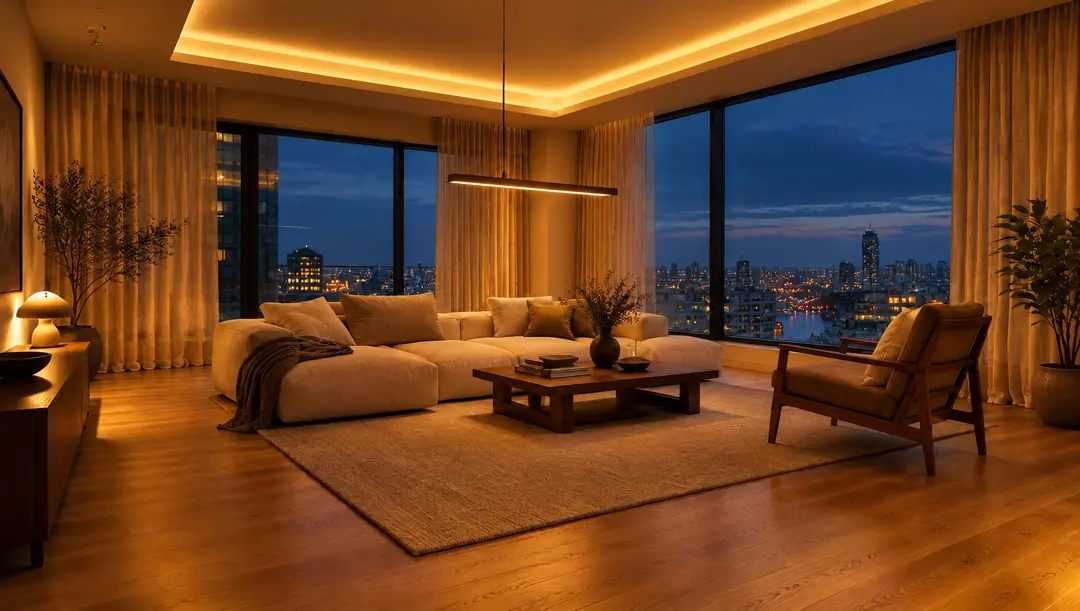
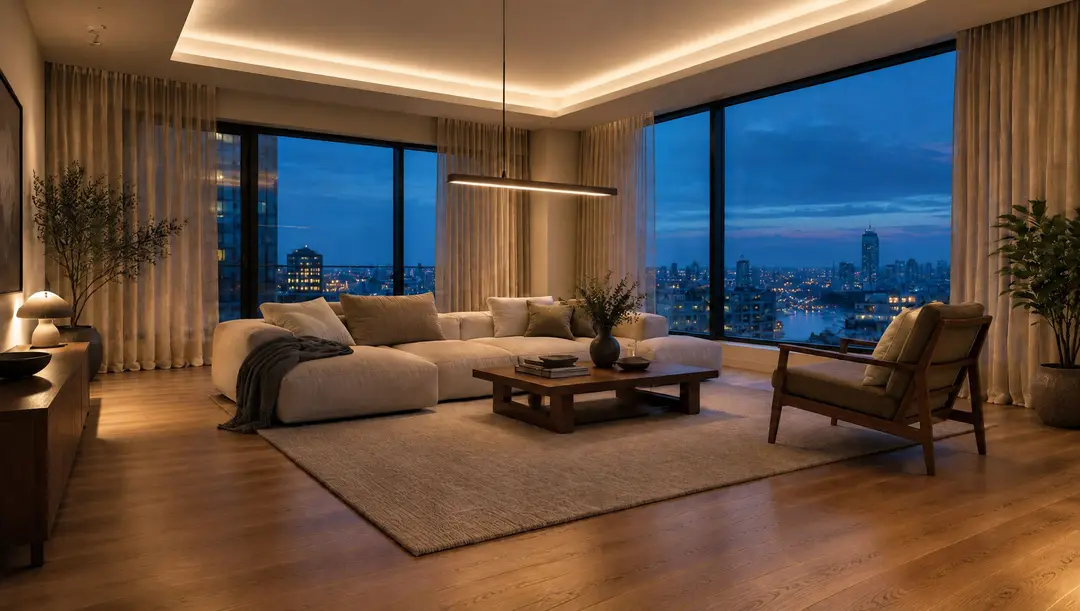
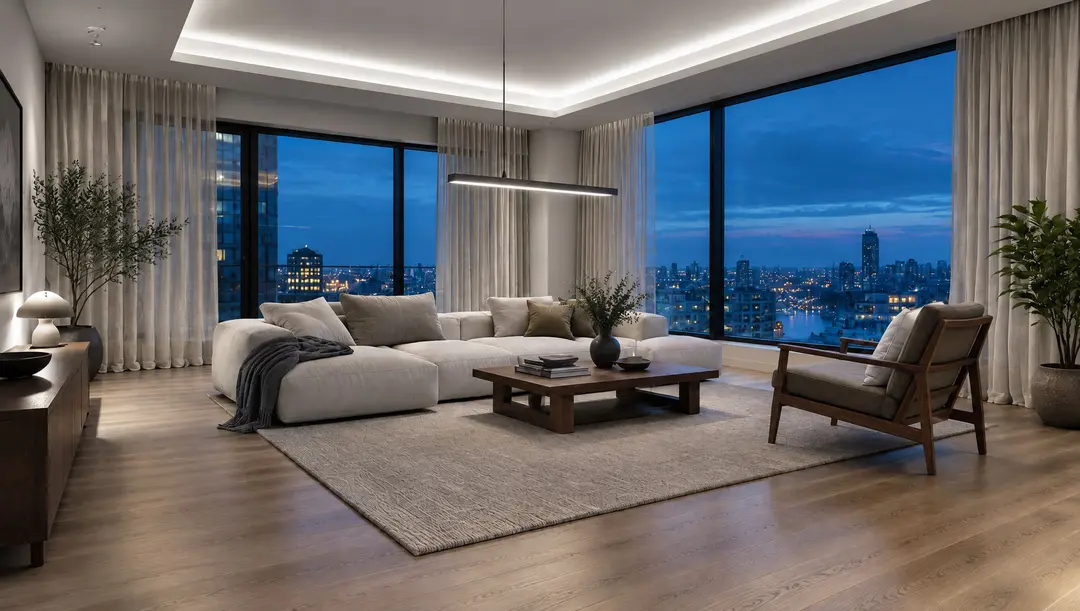
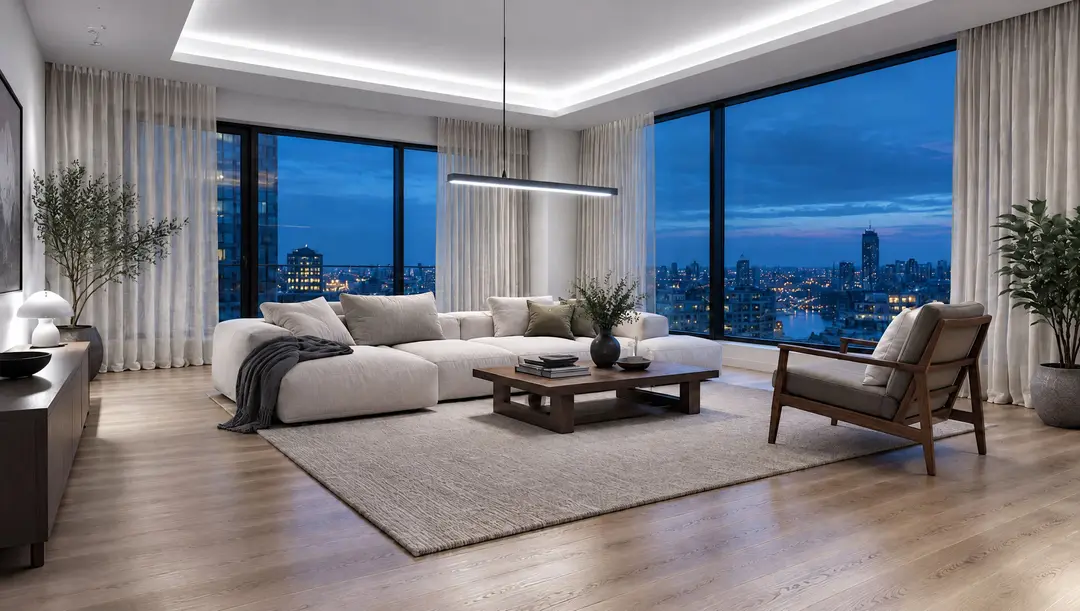
Colour temperature is the shade of white light, measured in kelvins (K). The lower the number, the yellower the light; the higher, the whiter and then bluer. An incandescent lamp shines at about 2700 K, the midday sun at 5500–6000 K, an overcast sky from 6500 K.
The figure says nothing about brightness: 3000 K and 6500 K lamps of 1 000 lm each are equally bright, only the shade differs.
Groups: warm white (WW) 2700–3200 K, neutral (NW) 3800–4500 K, cool (CW) 5000–6500 K. The box states the exact value.
Shade, sleep and concentration
Cool light contains more blue. In the daytime it energises and sharpens concentration, which is why offices and classrooms are lit at 4000–5000 K. In the evening it suppresses melatonin and delays sleep: 6500 K has no place in a bedroom or a children’s room.
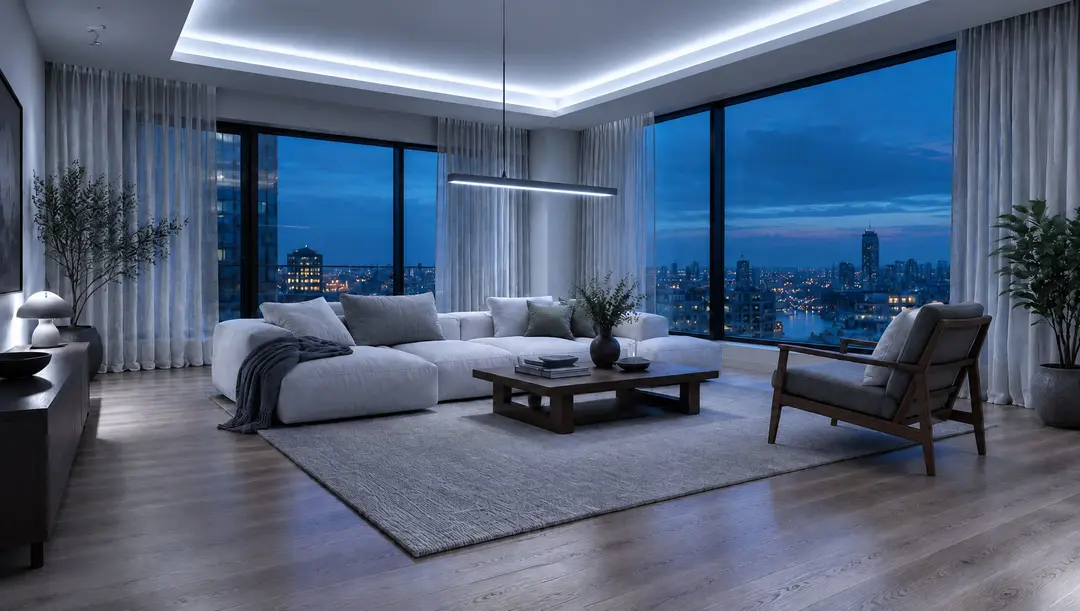
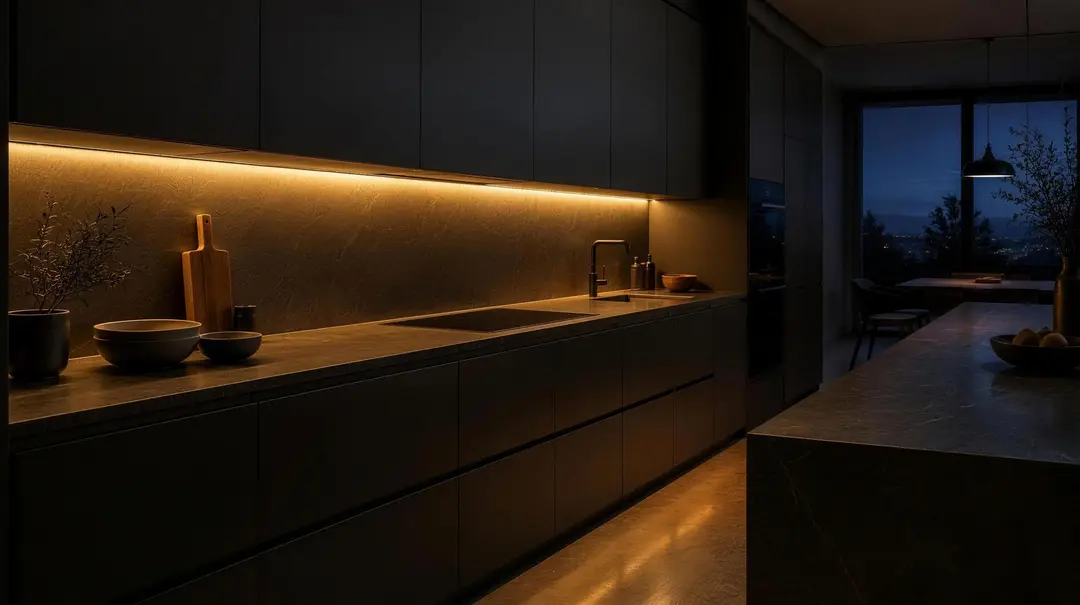
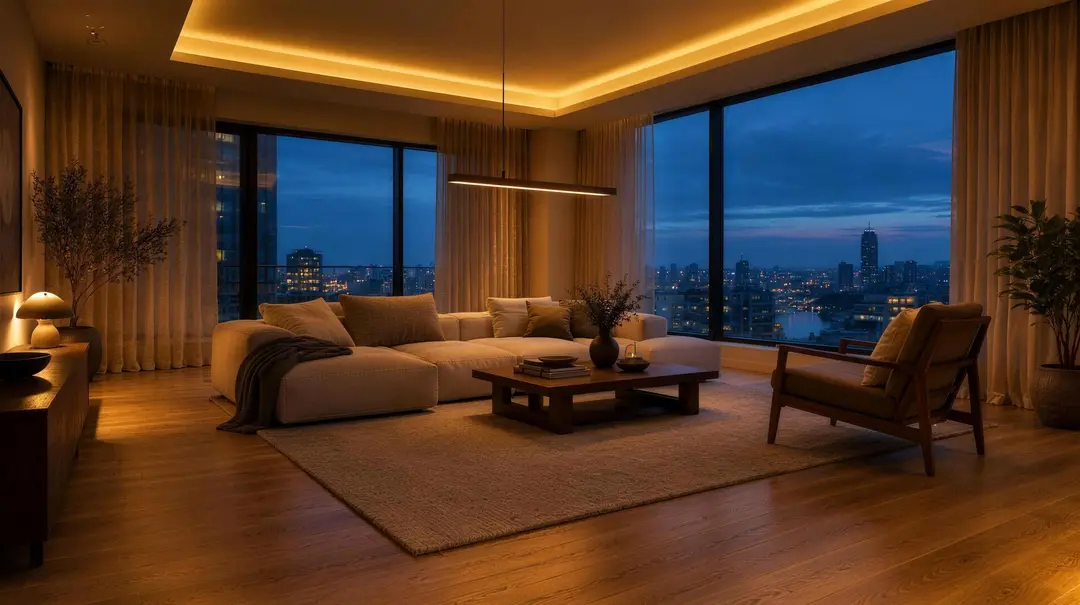
The second effect has been known since the 1940s. In dim light a cool shade looks gloomy and grey, a warm one cosy. In bright light warm turns yellow and stuffy, while neutral looks natural. Hence 2700–3000 K in a softly lit living room and 4000 K over a brightly lit worktop.
Colour temperature by room
| Room | Temperature | Why |
|---|---|---|
| Bedroom | 2700–3000 K | Sets the mood for sleep; by the bed — a dimmer or a night light of 2200–2700 K |
| Living room | 2700–3000 K, 4000 K for reading | Warm general light, a neutral floor lamp or wall light by the armchair |
| Kitchen: work area | 4000 K | Natural food colours: you can see how fresh the meat and herbs are |
| Kitchen: dining table | 3000 K | Food looks more appetising, the atmosphere is calmer |
| Bathroom | 3000 K, 4000 K at the mirror | Undistorted skin tones for make-up and shaving |
| Children’s room | 3000 K, 4000 K over the desk | Concentration for homework, warm light before bed |
| Hall, corridor | 3000–4000 K | In tune with the adjoining rooms, without an abrupt transition |
| Study, office | 4000–5000 K | Concentration; at 500 lx the eyes tire less |
| Garage, workshop, storeroom | 5000–6500 K | Maximum contrast for small parts and labels |
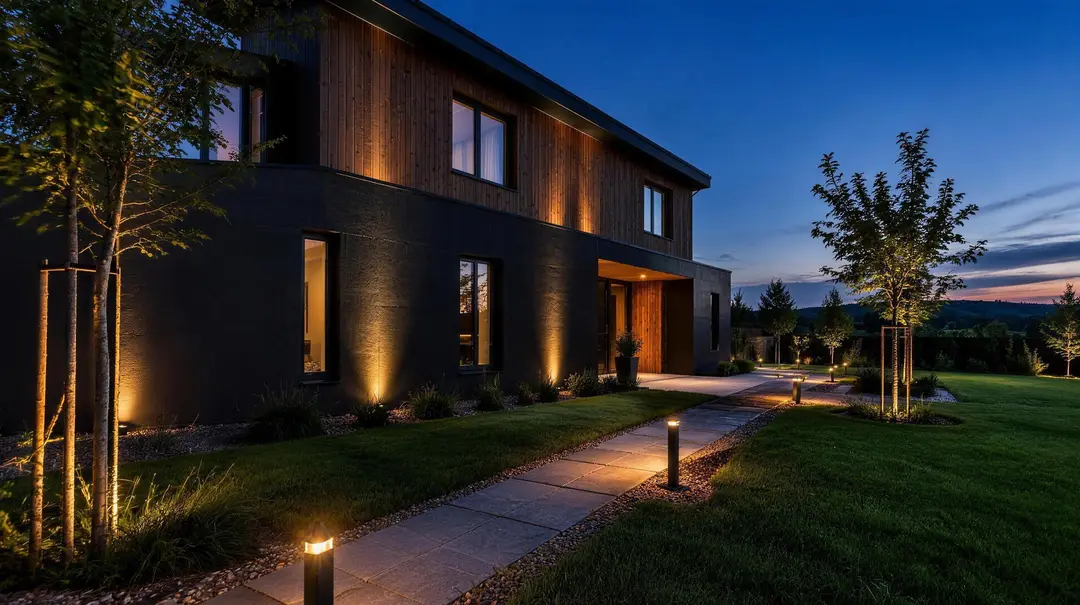
| Outdoors, yard | 4000 K | White without a blue cast; decorative garden lighting — 3000 K |
One zone, one colour temperature
The eye immediately sees the difference between 3000 and 4000 K on one wall or ceiling. A 3000 K chandelier among 4000 K spotlights looks like a mistake, not a design decision.
Zones with different tasks can differ: 4000 K over the worktop and 3000 K over the dining table are separate “islands” of light.
Buy the lamps for a six-arm chandelier from one batch of one brand: “3000 K” from different manufacturers means different shades, and in one chandelier it shows.
When you need adjustable white
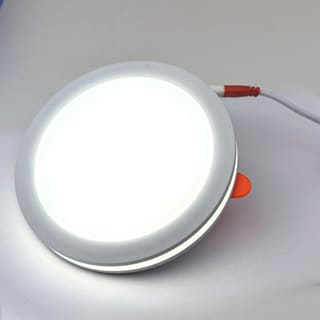
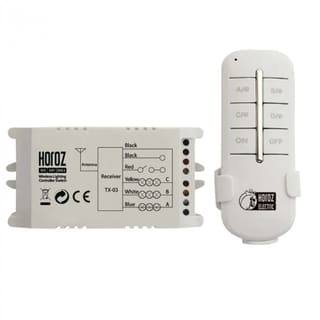
CCT luminaires and strips (“3 in 1”) switch between 3000, 4000 and 6000 K with a remote control or a wall switch. They suit a kitchen-living room, a children’s room and a study, where working light is needed in the daytime and calm light in the evening. In a CCT strip the controller mixes the warm and cool rows of LEDs in any proportion: the shade changes smoothly, not in three steps.
The downsides: the price is 30–50 % higher and you need a compatible controller or dimmer. A bedroom or a corridor with a single lighting scenario will do with a fixed 3000 K.
CRI, finishes and dimming
- CRI — the colour rendering index, a measure of how natural colours look. For housing — from CRI 80, for a kitchen, a bathroom and a clothes shop — 90+. Lamps of the same colour temperature with CRI 70 and CRI 95 give a completely different picture.
- Finishes. Beige walls and wood “warm up” the light: 4000 K on them looks like 3500 K. White walls and grey concrete cool it down. Test one lamp in place before buying a dozen.
- Dimming. Unlike an incandescent lamp, an LED lamp does not turn yellow when dimmed. A “fireplace” effect comes from dim-to-warm lamps: they go down to 1800–2200 K.